Imagine this familiar scenario: you’re halfway through a beloved baking recipe – perhaps a batch of fluffy pancakes, tender biscuits, or a rustic soda bread – when you hit a snag. The recipe calls for buttermilk, but your fridge is conspicuously empty. Do you abandon your culinary project? Make a last-minute dash to the grocery store? Or perhaps, you remember that half-carton that’s been lingering, only to find it’s past its prime and destined for the bin, adding to food waste frustrations.
For many home bakers and seasoned chefs alike, this is a common dilemma. While buttermilk is a staple in some cuisines, like Irish baking, its availability can vary greatly, and even when found, it’s often used in small quantities, leading to waste. The good news? You never have to face this problem again. Learning how to make buttermilk substitute at home is an incredibly easy, two-ingredient solution that takes mere minutes and is a fundamental skill that will elevate your baking and cooking to new heights. Say goodbye to grocery store detours and hello to perfectly textured, tangy baked goods, anytime you want them.
Understanding Buttermilk: The Science Behind the Tang
Before diving into making our easy substitute, it’s helpful to understand what buttermilk actually is. This knowledge illuminates why our simple two-ingredient hack works so effectively:
- Traditional Buttermilk: Historically, this was the byproduct of churning butter from cultured or fermented cream. As cream sat, naturally occurring lactic acid bacteria would ferment the milk. This acidic environment helped the fat coalesce into butter, leaving behind a thin, tangy liquid: traditional buttermilk. It’s less common today outside of artisanal butter making.
- Cultured Buttermilk: This is what you typically find in supermarkets. It's pasteurized and homogenized milk that has been deliberately inoculated with a bacterial culture (like Lactococcus lactis). These bacteria consume the lactose in the milk and produce lactic acid, which lowers the pH, thickens the milk, and gives it its characteristic tangy flavor and slightly viscous texture. This process causes the casein protein in the milk to curdle, resulting in that distinctive thickness.
- Acidified Buttermilk: This is essentially what we're creating with our homemade substitute. It involves adding a food-grade acid directly to regular milk. The acid causes the milk proteins (casein) to coagulate or "curdle," mimicking the texture and acidity of cultured buttermilk. While it might not have the same complex fermented flavor profile as true cultured buttermilk, it performs identically in recipes, providing the necessary acidity and tenderizing qualities.
The key takeaway is the acidity. Whether natural fermentation or direct addition, the acidic environment is what gives buttermilk its unique properties, which are crucial for tenderizing baked goods and activating leavening agents.
Why a Homemade Substitute is a Game-Changer for Bakers
Beyond the occasional forgotten grocery item, there are several compelling reasons why mastering how to make buttermilk substitute is an invaluable skill:
- Convenience & Availability: As highlighted, buttermilk isn't always readily available everywhere. Having a quick substitute means your recipe is never dependent on a special trip to the store.
- Reducing Food Waste: Buttermilk, once opened, has a limited shelf life. Many recipes call for less than a full carton, leading to partially used containers often going bad before they can be finished. A homemade substitute allows you to make just the amount you need, eliminating waste.
- Cost-Effectiveness: You're likely to already have milk and an acid (lemon juice or vinegar) in your pantry. This means you save money by not having to purchase a specific ingredient you might not use regularly.
- Culinary Confidence: Knowing you can whip up essential ingredients on demand boosts your confidence in the kitchen and encourages you to try new recipes without hesitation. It's a foundational skill for any aspiring baker or home cook.
This simple trick transforms a potential baking crisis into a moment of culinary ingenuity, ensuring your pantry always feels fully stocked for any baking adventure.
Your Go-To Buttermilk Substitute: The Two-Ingredient Wonder
This method is so straightforward, you'll wonder why you didn't learn it sooner. Here’s everything you need to know:
Ingredients You'll Need:
- Milk: The beauty of this substitute is its versatility. You can use almost any type of milk you have on hand:
- Whole Milk: Often preferred for its rich flavor and creamy texture, making for a luxurious substitute.
- Reduced-Fat or Non-Fat Milk: Works perfectly fine. The acid will still curdle the proteins effectively.
- Non-Dairy Milk: Absolutely! For those seeking a dairy-free option, almond milk, soy milk, coconut milk, cashew milk, or oat milk are all excellent choices. Ensure they are unsweetened for best results in savory and most sweet recipes.
- Acid: This is the magic activator that causes the milk to curdle and become acidic. Choose from:
- Lemon Juice: Freshly squeezed lemon juice is highly recommended for the best flavor, offering a clean, bright tang.
- White Vinegar: A pantry staple, white vinegar works just as effectively and is often flavor-neutral enough for most applications.
- Apple Cider Vinegar: Can impart a very subtle fruitiness, which might be a pleasant addition to some recipes, especially those with apples or spices.
Tools You'll Need:
You truly need minimal equipment:
- A liquid measuring cup (2-4 cup capacity is ideal)
- A spoon or fork for stirring
Step-by-Step Instructions:
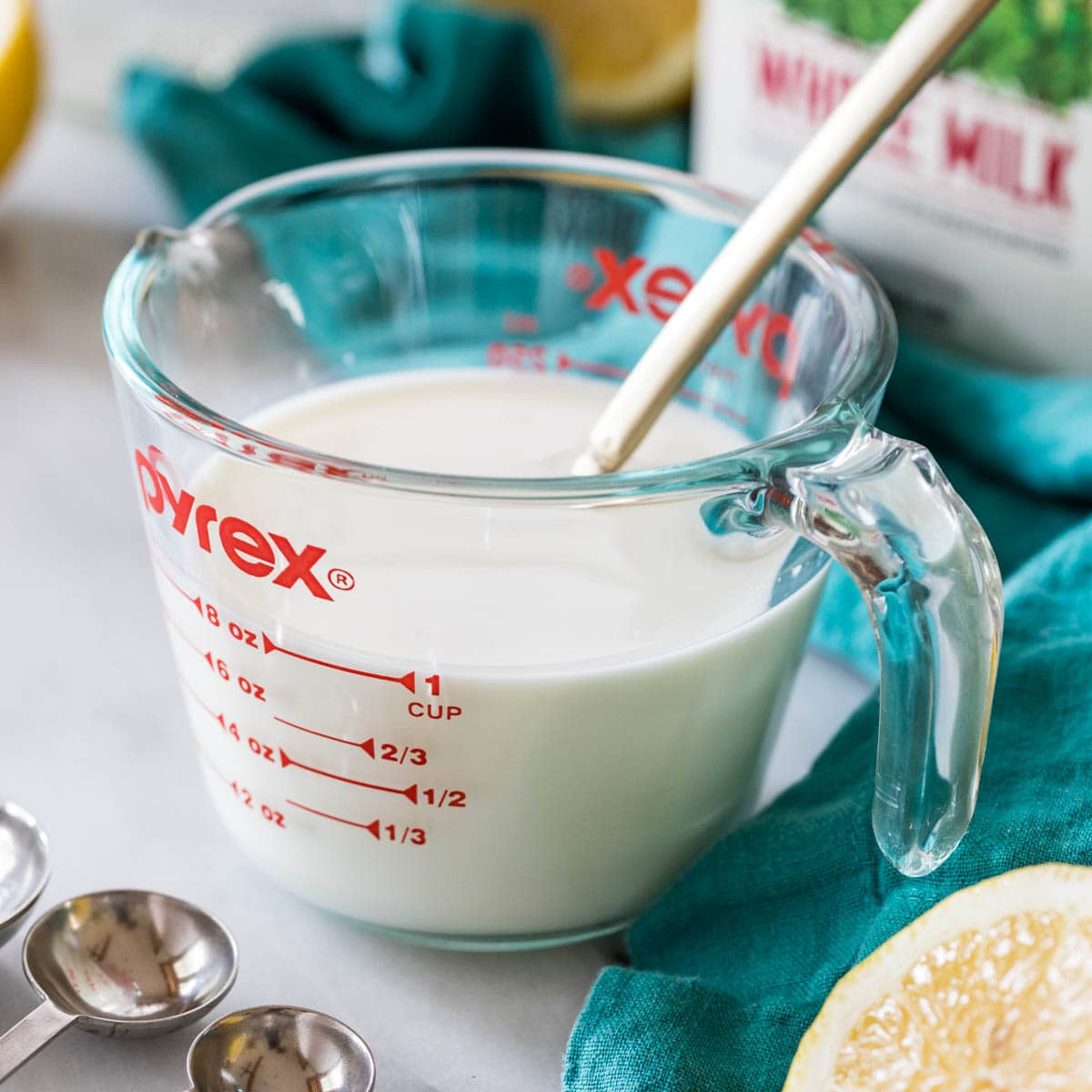
- Measure Your Milk: For every 1 cup of buttermilk required in your recipe, pour 1 cup of your chosen milk into a liquid measuring cup.
- Add the Acid: To the milk, add 1 tablespoon of your chosen acid (lemon juice, white vinegar, or apple cider vinegar).
- Gently Stir: Give the mixture a quick stir to combine the milk and acid.
- Let It Rest: Allow the mixture to sit undisturbed at room temperature for 5-10 minutes. During this time, you'll notice the milk beginning to curdle and thicken slightly. Small clumps or streaks will appear, indicating the acid is working its magic on the milk proteins.
- Voila! Your Substitute is Ready: Once the milk has visibly thickened and appears slightly lumpy, give it a final stir and use it as you would regular buttermilk in your recipe.
Expert Tip: While not strictly necessary, using milk that is at or close to room temperature can sometimes accelerate the curdling process, especially for non-dairy milks. However, cold milk will also work, it just might take a few extra minutes to achieve the desired consistency.
The Magic of Buttermilk in Your Recipes
So, what exactly does buttermilk do that makes it so indispensable in baking? Its unique properties contribute significantly to the flavor, texture, and leavening of your favorite dishes:
- Tangy Flavor: The acidity of buttermilk adds a distinctive, subtle tang that enriches the overall flavor profile of baked goods, cutting through richness and adding complexity.
- Moisture & Tenderness: The acid in buttermilk tenderizes gluten in flour, resulting in baked goods that are incredibly moist, soft, and tender. This is particularly noticeable in items like biscuits, muffins, and quick breads.
- Leavening Power: Buttermilk is a common ingredient in recipes that use baking soda. Baking soda is an alkali, and it needs an acid to activate and produce carbon dioxide gas. This gas creates bubbles, causing baked goods to rise and develop a light, airy texture. Without the acid from buttermilk, baking soda wouldn't react properly, leading to dense, flat results.
From fluffy pancakes and crispy fried chicken marinades to moist cakes and scones, the humble buttermilk plays a vital role. By mastering how to make buttermilk substitute, you unlock the secret to consistently perfect results, ensuring you Never Run Out: Make Buttermilk Substitute for Perfect Baking.
Dairy-Free Buttermilk? Absolutely!
One of the most exciting aspects of this homemade substitute is its adaptability to various dietary needs. If you follow a dairy-free or vegan diet, you can still enjoy all the benefits of buttermilk in your recipes. Simply substitute cow's milk with your preferred non-dairy alternative. As mentioned above, almond, soy, oat, cashew, and coconut milks all curdle beautifully with the addition of lemon juice or vinegar. This flexibility means that whether you're baking for allergies, preferences, or simply want to explore plant-based options, you can confidently create a versatile ingredient. This flexibility truly allows you to Dairy or Not: Master Buttermilk Substitutes for Any Recipe.
Conclusion
The next time a recipe calls for buttermilk, there’s no need to panic. With just two common ingredients and a few minutes, you can effortlessly create a perfect substitute that performs exactly like the real thing. This simple trick not only saves you time and money but also empowers you to tackle any recipe with confidence, knowing you have a fundamental baking basic under your belt. Embrace this easy homemade buttermilk substitute, and prepare to elevate your baking with perfectly tangy, tender, and moist results every single time.
